
Unconditional Love, Part 8
Class Resources
Prior to First Class

Class Times
Sundays
Nov 1-22, 2026
2:00-3:30 pm Eastern
Online Only
Text
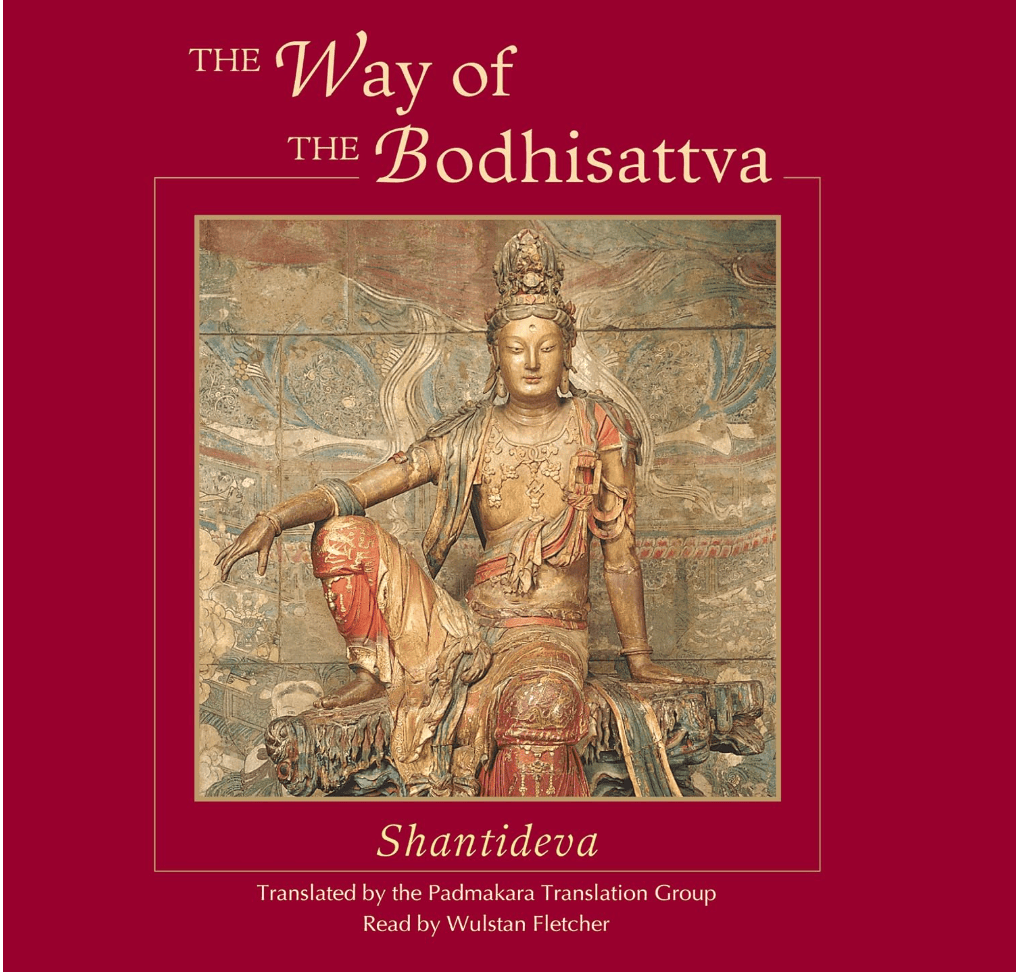
Free Pdf of Text
You can access a free online pdf of the text at:
Zoom Information
All four classes will use the same Zoom link.
The direct Zoom link is below.
To join from your own Zoom account, you will need:
Meeting ID: 864 2601 7821
Passcode: 633897
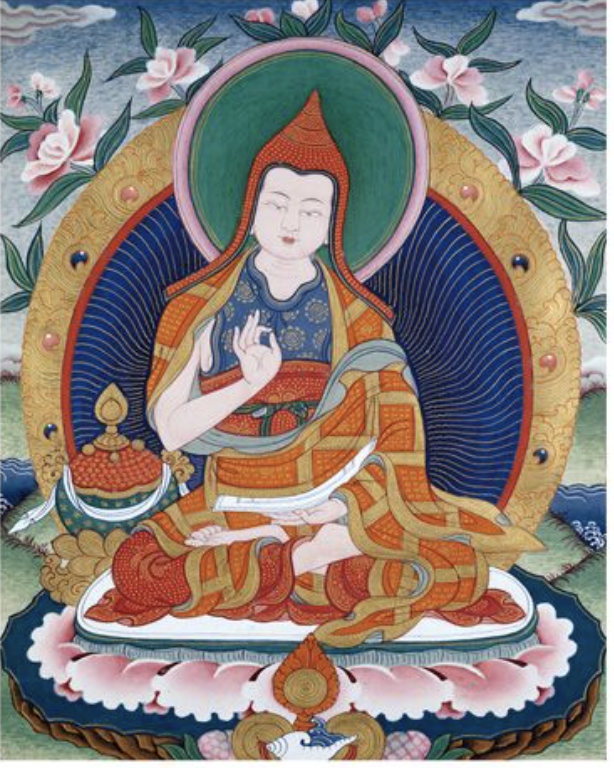
If you have already read the Introduction, that’s fine. If you haven’t, simply read the first three chapters. I want you to have a personal encounter with Shantideva.
As best as you are able, imagine that this highly educated and seasoned practitioner of Buddhism is going on a great journey, and that you are his dear friend and companion.
Try to sense what he is feeling and what he is experiencing. There will be much that you don’t understand, and that is OK. The understanding will follow. Please come to class with something to share about your experience with him. What stood out for you?
Class 1 November 1, 2026
Dear Friends,
Here are some of the topics for reflection I mentioned in the first class.
Following those, you will find two meditation instructions for the coming week.
John
Reflections/Reminders
The Four Thoughts (aka) The Four Mind Turnings, the Groundwork
- The Truth of Impermanence (Anicca: uh—knee—chuh)
- The Truth of Cause and Effect (Karma)
- The Defects of Samsara (Worldly Existence)
- The Rare and Precious Human Birth with its Freedoms and Advantages
The Five Remembrances
- I am of the nature to grow old. There is no way to escape growing old.
- I am of the nature to become sick. There is no way to escape being sick.
- I am of the nature to die. There is no way to escape death.
- All that is dear to me and everyone I love are of the nature to change. There is no way to escape being separated from them. I inherit the results of the actions of my body, speech, and mind. My actions are the ground on which I stand.
The Six Paramitas (Perfections)
- Dana (Generosity)
- Sila (Ethical Behavior / Non Harming)
- Patience
- Joyful Effort
- Concentration
- Wisdom
The Ten Chapters of The Way of the Bodhisattva by Shantideva
- The Excellence of Bodhicitta
- Confession
- Taking Hold of Bodhicitta
- Carefulness
- Vigilant introspection
- Patience
- Diligence
- Concentration
- Wisdom
- Dedication
Two Practice Instructions for this Week
1. Meditation on Impermanence
During the coming week practice at least twenty minutes a day with the
meditations on impermanence we did in class. You can use the recordings.
2. First-Thing-in-the-Morning Meditation
In addition, do the First-Thing-in-the-Morning practice on impermanence, which is found on the following page. Make sure to do this each morning.
Here is some background explanation giving the reasons why the First-Thing-in-the-Morning Practice should be done as soon as you wake up. This explanation and the meditation itself are adapted from The Lost Art of Compassion by Lorne Ladner.)
“When we wake up in the morning, the ego quickly starts working again. Our solid self image returns, and our ego starts planning out our day in accord with the ego’s wants and fears. With this exercise, we can intervene before the ego’s defenses are fully in place for the day. By remembering the truth of impermanence upon awakening, we challenge the illusory image of our solid permanent self. Right there in bed in the morning, while this image is in the process of solidifying for the day, we can recognize it for the illusion that it is. We can replace the image of a permanent self with a realistic self image that understands impermanence and focuses on what is most essential.
“Ordinarily, we live our days with an unconscious belief that we’re permanent, in control, and terribly important. Here we begin the day with an awareness that we are a fragile peace of an ever-changing network of interdependent relationships.
“Normally, we don't wake up with such clarity and energy because we haven’t recognized the preciousness of each of our days—even of each of our seconds.
If we spend time engaging in these exercises, facing our own impermanence, then such recognition of the preciousness of each moment will dawn more and more, and we'll find ourselves approaching each day with compassionate vitality.”
First-Thing-in-the-Morning Practice on Impermanence
(Adapted from The Lost Art of Compassion by Lorne Ladner)
This very powerful practice is done as soon as possible after waking up in the morning. Upon awakening, think to yourself, "How wonderful that I'm still alive! My life is so fragile and I definitely could have died last night, so it’s really wonderful that I woke up and I am still here.”
Recall the fact that other people in the world did die last night, but you’ve managed to stay alive for the time being. Also recall that there are so many different factors that easily and quickly can cause your death. So many people die each day. Some are ill, and others are healthy, some are old; others are young, but they all die just the same. A car wreck, a heart attack, a stroke,
falling down the stairs, a natural disaster could easily take your life today.
For a few moments viscerally imagine yourself dying later today.
Then think, "It's absolutely true that I may die today, and there's nothing at all that I can do about that fact; therefore, I'm going to live this day as though it may be my last.”
Recognizing that today, literally, may be the last day of your life, decide how you're going to spend this day. Think about what's important to do today, about how you want to go about the activities of your life today, and about how you want to relate to the other people you will see today.
End the meditation by strongly resolving to spend your day wisely.
During the day:
When you encounter other beings
Recognize their impermanent nature;
Recognize your own impermanent nature;
Instantly affirm the common bond between you and be humble;
See their present wonder and glory. Be awestruck.
A short form of The First-Thing-in-the-Morning Practice on Impermanence
Read the long form of this practice several times to understand the purpose and logic of this meditation, try this condensed form for
daily use. I do advise reading the long form from time to time to keep you
grounded and to reinforce your understanding. The italicized passages are things you say to yourself.
"How wonderful that I'm still alive! My life is so fragile and I definitely could have died last night, so it's really wonderful that I woke up and I am still here.”
Then Reflect:
Other people died last night, but I did not.
There are so many different ways that I might die today: a sudden illness, a car
wreck, falling down the stairs, heart attack, stroke.
So many people die every day: the old, the young, the sick, the healthy.
For a few moments, viscerally imagine yourself dying later today.
Then think, "It's absolutely true that I may die today, and there's nothing at all that I can do about that fact; therefore, I'm going to live this day as though it may be my last.”
Decide how you're going to spend this day. Think about what's important to do today, about how you want to go about the activities of your life today, and about how you want to relate to the other people you will see today.
End the meditation by strongly resolving to spend your day wisely.
During the day:
When you encounter other beings
Recognize their impermanent nature;
Recognize your own impermanent nature;
Instantly affirm the common bond between you and be humble;
See their present wonder and glory. Be awestruck.

There are two recordings on the audio player:
* the class recording with the meditation, break, and breakout session removed and,
* the meditation on impermanence
- UCL 8 -1 class without meditation.MP300:00
- UCL8 -1 meditation on impermanance.MP300:00
Class 2 November 8, 2026

Instructions for Deep Sharing/Deep Listening with a Partner
Topic: The Impact of Contemplating Impermanence
In Deep Sharing/Deep Listening, you will work with a partner in a breakout room. You will be given a statement to work with. You will take turns asking each other to FEEL the statement, reflect on it, and tell you something about it. The person responding will pause, let the statement “register” with them, and then share one thing that comes up for them without going into too much narrative.
You will begin the first session with a partner by exchanging Metta. Say their first name and use these blessings:
May you be safe and protected.
May you be peaceful and happy.
May you be healthy and strong.
May you love your life.
During the session, You will say the Metta phrases to your partner only once, when you address them for the first time.
Please memorize these phrases so you don’t have to to read them.
For the person responding, there are no “right” answers. Just be an honest reporter of what comes up for you in the moment. None of these dyads will be recorded, and we trust each other to hold whatever is shared in confidence. Your responses will likely change as the rounds continue, potentially giving you access to deeper wisdom.
The statement you will feel and respond to is “The Impact of Contemplating Impermanence.” This statement will be repeated in every round.
Round One: Say your partner’s first name and offer the Metta (Loving Kindness) phrases to them. Say these phrases slowly with the feeling you are giving them a wonderful gift. Pause between phrases, letting the meaning sink in for both of you.
Metta (Loving Kindness) Phrases
May you be safe and protected.
May you be peaceful and happy.
May you be healthy and strong.
May you love your life.
Next, say their first name again. Then say, “Feel ‘The Impact of Contemplating Impermanence’ and tell me something about that.”
A slight emphasis on “Feel” helps them focus and reflect before answering.
As your partner responds, your focus is on understanding and staying present, giving them all the time they need to reflect and respond.
There are four possible responses to what your partner says:
Please summarize that.
Say that again, please.
Clarify that, please.
Thank you (when you have understood what your partner has said).
Then you change places. Your partner will offer Metta to you and then ask you to feel and respond to “The Impact of Contemplating Impermanence.”
Help each other remember to start with saying your first name. Don’t be shy to give them a friendly prompt if they start a turn without using your name.
Round Two: Continue as above, but without offering the Metta phrases.
Continue for subsequent rounds until the breakout session ends.
When we return to the main group, we will share what we have learned.
Class 2 recording is below. Some long silences have been removed.
- UCL 8 class 2 recording.MP300:00
- UCL 8 class 2 recording.MP300:00
Homework after Class 2
1. Review the “Aspiration” handout. What is your current aspiration?
2. Copy out one verse in Chapters 1-3 that is especially meaningful or impactful to you, and bring this to class for sharing next week.
3. Try moving out onto the frontier of your meditation practice with this Meditation Challenge. Using any or all of The Five Remembrances (see below), try to make the teaching of impermanence (anicca) very real & personal.
For example, you might look deeply into #1. Begin meditation by grounding yourself in the body or the breath. When the mind feels more relaxed, recite the Remembrance.Then bring it into your body. Where do I see growing old in this body? Where do I feel growing old in this body? How deeply can I accept and rest in the experience of growing old in this body?
What result do you experience from this deep acceptance?
Another example: Include the remembrance in your First-Thing- in-the-Morning practice. Does reflecting on anicca serve as a spur to make the most of your Precious Human Birth today.
Be creative in finding ways to incorporate the recognition of impermanence in a skillful and positive way.
Aspiration
- to establish a daily meditation practice. (Highly recommended if you don't have a regular practice.) ☺
- to free myself from a particular emotional affliction or habit that does not support well-being in me.
- to bring understanding and compassion to my relationships.
- to live fearlessly.
- to understand suffering and its causes.
- to stop creating suffering.
- to awaken to my Original Mind, my True Nature.
- to live for the benefit of all beings.
Class 3 November 15, 2026
Homework: Three things to do before Class 4
First, Really pay attention to Chapter 3. Can you find where Shantideva states his aspiration and his vow? Does it inspire you? If so, how can make use of it? If not, what aspiration would inspire you?
Second, As we did in the Dyad during Class 3, repeat Remembrance #4: “All that I hold dear and everyone I love are of the nature to change.” Reflect on those words. How does this apply to me?
What particular event (e.g., house fire, someone dies, a serious diagnosis, a financial disaster) creates fear in you?
Write down the event. (Be brief, as in the examples). Write it down, so you can remember the particular thought that aroused the fear.
Below the event, write two sentences:
If (name the event) happens, I will _________(complete the sentence.)
If (the same event) happens, I won’t ________(complete the sentence.)
Bring the event and the two sentences to Class 4.
Third, Geshe Lama Thondrup says, “You cannot realize bodhicitta, the most exalted state of compassion described in Buddhism, without first having realized genuinely the truth of Impermanence. I’m sorry, but without realizing Impermanence, you cannot become a Bodhisattva.”
Assuming this is true, What can I do to integrate the Truth of Impermanence in my mind, and heart, and life. What kind of study and practice can I do to make this real for me? How can I manifest this realization in daily life? What will it take for me to realize impermanence, to integrate it, so realization becomes how I see life and the world?

Instructions for Deep Sharing/Deep Listening with a Partner
Topic: The Fourth Remembrance
In Deep Sharing/Deep Listening, you will work with a partner in a breakout room. You will be given a statement to work with. You will take turns asking each other to FEEL the statement, reflect on it, and tell you something about it. The person responding will pause, let the statement “register” with them, and then share one thing that comes up for them without going into too much narrative.
You will begin the first session with a partner by exchanging Metta. Say their first name and use these blessings:
May you be safe and protected.
May you be peaceful and happy.
May you be healthy and strong.
May you love your life.
During the session, You will say the Metta phrases to your partner only once, when you address them for the first time.
Please memorize these phrases so you don’t have to to read them.
For the person responding, there are no “right” answers. Just be an honest reporter of what comes up for you in the moment. None of these dyads will be recorded, and we trust each other to hold whatever is shared in confidence. Your responses will likely change as the rounds continue, potentially giving you access to deeper wisdom.
The statement you will feel and respond to is “The Truth of the fourth remembrance: ‘All that is dear to me and everyone I love are of the nature to change. There is no way to escape being separated from them.’ ”
Round One: Say your partner’s first name and offer the Metta (Loving Kindness) phrases to them. Say these phrases slowly with the feeling you are giving them a wonderful gift. Pause between phrases, letting the meaning sink in for both of you
Metta (lLoving Kindness) Phrases
May you be safe and protected.
May you be peaceful and happy.
May you be healthy and strong.
May you love your life.
Next, say their first name again. Then say, “Feel ‘“The Truth of the fourth remembrance: ‘All that is dear to me and everyone I love are of the nature to change. There is no way to escape being separated from them.’ ”
A slight emphasis on “Feel” helps them focus and reflect before answering.
As your partner responds, your focus is on understanding and staying present, giving them all the time they need to reflect and respond.
There are four possible responses to what your partner says:
Please summarize that.
Say that again, please.
Clarify that, please.
Thank you (when you have understood what your partner has said).
Then you change places. Your partner will offer Metta to you and then ask you to feel and respond to “The Truth of Impermanence.”
Help each other remember to start with saying your first name. Don’t be shy to give them a friendly prompt if they start a turn without using your name.
Round Two: Continue as above, but without offering the Metta phrases.
Continue for subsequent rounds until the breakout session ends.
When we return to the main group, we will share what we have learned.
- UCL8 class 3.MP300:00